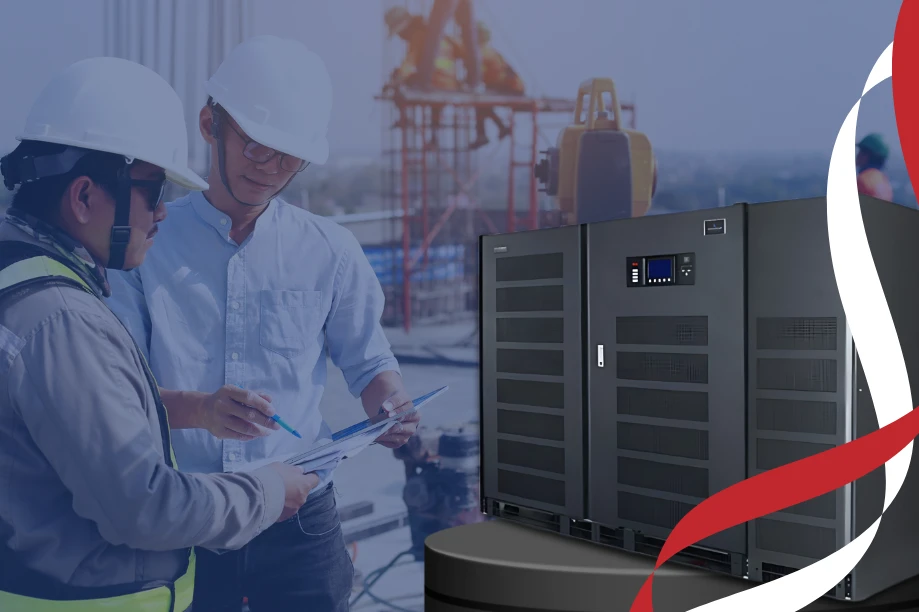



UPS on rent & UPS hire cost
UPS on Rent & UPS Hire Cost in India: What Affects Pricing and How to Choose the Right Plan | 9811175622

Introduction: Cost Matters for Every Business Backup Plan
UPS on rent and UPS hire cost is one of the biggest concerns for businesses when they look for backup solutions in India.
For businesses experiencing frequent power issues, choosing a backup solution is no longer optional — it’s essential. When companies start looking at alternatives to deal with power disruptions, one of the first questions they ask is: “What is the UPS hire cost or UPS on rent pricing in India?”
Whether you need a simple setup for your office computers or industrial UPS on rent for heavy machinery, understanding the cost and how it’s calculated ensures you don’t overspend or choose the wrong solution. This blog explores the key factors that influence UPS on rent & UPS hire cost in India, and shows you how to make the smartest choice for your business.
Table of Contents
Why Backup Power Cost Isn’t One Simple Number
Unlike consumer products where you see a fixed market price, backup power systems — especially when rented or hired — involve many variables. Price is influenced by capacity, system type, usage duration, geographic location, maintenance terms, and more.
This is why two businesses that both search for UPS on rent near me end up with different quotes. A clear understanding of what goes into pricing helps you evaluate offers properly.
1. Capacity and Load Requirements
One of the biggest factors affecting UPS on rent & UPS hire cost is the power load that you want to support.
Every device connected to the UPS consumes power, measured in kVA (kilovolt-amps). A system that must support multiple servers, networking equipment, and computers will require a higher capacity UPS than one supporting just a small office’s PCs.
Higher capacity systems not only cost more to rent but also demand larger batteries and heavier maintenance, which increases the overall price.
2. Backup Time You Need
Not all businesses have the same need for backup duration. Some might need a UPS to bridge the gap until a generator starts, while others may require long durations of power continuity without interruption.
A UPS that can provide power for 15–30 minutes will cost less than one designed to provide several hours of backup. When asking about price, always specify how long you need power during an outage.
3. Type of UPS System
There are several types of UPS systems:
Offline UPS
Ideal for small offices or setups with infrequent outages. These are cheaper but switch to battery power with a small delay.
Online UPS
Best for environments where any interruption can be costly. Online systems provide instant changeover and regulated power. They typically cost more to rent but offer better protection.
The choice between offline and online affects pricing significantly. Businesses relying on sensitive equipment generally opt for online systems despite the higher cost because the value outweighs the price.
4. Industrial vs General Purpose Systems
If your operations require industrial UPS on rent, the cost will be higher because industrial systems are built to handle heavier loads and operate in more demanding environments.
Industrial systems often include features like three-phase power, duty-cycle batteries, and advanced diagnostics. All of this increases overhead for the rental provider, and that shows up in your pricing.
5. Duration of Rental Agreement
Rental terms also impact the UPS rental cost. Generally, longer contracts provide better monthly rates because the provider can amortize the equipment and services over a more extended period.
Short-term UPS hire is more flexible but typically costs more per month. Businesses need to balance flexibility with total rental cost.
6. Geographic and Location Factors
The city where you rent the UPS matters. For example, UPS rental services in Delhi NCR may have different pricing than those in smaller cities because of logistics, availability of technical support, and transport costs.
Providers often charge differently for UPS rental in Faridabad, Noida, or Gurgaon compared to other regions.
7. Installation and Commissioning Services
Many UPS rental services include installation, configuration, and initial testing as part of the cost. Some charge extra if the installation is complex, such as in industrial environments with three-phase power or a large server room.
Before you sign a UPS hire agreement, clarify whether installation charges are included.
8. Maintenance and Battery Health Support
Unlike buying a UPS outright, when you opt for UPS on rent or hire, part of what you pay for is professional support. A good provider performs regular maintenance, battery checks, and on-site troubleshooting.
Providers that include maintenance as part of the package may charge a slightly higher rental fee, but this usually saves money in the long run because you avoid downtime and unexpected repairs.
9. Emergency Support and Response Time
Backup power is called into action during unplanned outages. The faster your support team can respond, the less downtime your business experiences.
Premium UPS rental plans include guaranteed response times and emergency support. These plans cost more but provide better peace of mind.
10. Fuel and Generator Interaction (If Combined)
Some businesses pair UPS systems with backup generators for extended outages. In such cases, the interaction between UPS and generator systems must be seamless. Coordinating these systems often requires additional configuration and support, which adds to the overall power backup planning cost.
How to Compare UPS Rental Quotes Properly
When reviewing different providers and their pricing, it’s important to compare apples to apples:
Ensure the capacity (kVA rating) is the same
Confirm backup time expectations
Ask whether installation is included
Check battery health support schedules
Look for hidden service charges
Use a simple spreadsheet if needed, so you can clearly see who offers the best value for your specific needs.
Typical Cost Ranges in India (Illustrative)
Note: These examples are approximate and can vary by city and provider.
Small Office Setup (1–5 kVA)
- Monthly Rent: ₹2,000 – ₹8,000
- Best for basic office equipment and small loads
Medium Load (10–20 kVA)
- Monthly Rent: ₹8,000 – ₹20,000
- Ideal for larger offices and server rooms
Industrial/High Load (30+ kVA)
- Monthly Rent: ₹20,000 +
- Used for heavy machinery and industrial setups
Again, exact pricing will depend on the specific provider, location, and service inclusions.
UPS on Rent vs Buying a UPS — A Cost Perspective
For businesses that want flexibility and risk reduction:
UPS on Rent
- Lower upfront cost
- Predictable monthly expenditure
- Scalability
- Maintenance included
Buying a UPS
- Higher initial investment
- Ongoing maintenance responsibility
- Depreciation over time
- Not suitable for seasonal or temporary needs
For many businesses, UPS hire makes more financial sense, especially if power issues are frequent but unpredictable.
How to Choose the Right UPS Hire Provider
Here’s a simple checklist before finalizing a rental partner:
Do they provide local support?
Can they guarantee maintenance and battery health checks?
Is installation included?
Do their quotes include all costs or add extras later?
Can they scale rental capacity if your business grows?
Choosing a reputable provider means fewer surprises and better reliability.
Quick Tips to Reduce Your UPS Rental Costs
Combine UPS rental with planned generator backup
Choose long-term rental to reduce monthly rates
Clarify battery maintenance schedules
Compare at least three vendor quotes
Choose a provider with local service presence
These small steps help optimize your budget without compromising uptime.
Conclusion: Smart Cost Planning for Effective Power Backup
Understanding UPS on rent & UPS hire cost in India isn’t just about seeing a price list. It’s about evaluating what you truly need, how different cost factors affect your operations, and picking a plan that protects productivity without burdening your budget.
With the right upfront questions, a clear comparison framework, and a trusted rental partner, your business can stay powered and secure even when the grid fails.